
The hallway behind the cabaret curtain in Lille doesn’t smell like perfume or stage makeup. It smells like sweat, cigarette smoke from last night’s show, and the faint metallic tang of nerves. Women in sequins and heels walk past mirrors cracked at the corners, checking their lipstick one last time before stepping into the spotlight. Some are dancers. Others are here for the money. A few are just trying to disappear for a few hours. This isn’t a story about glamour. It’s about survival in a city that never sleeps, but doesn’t always see you.
People outside the scene assume these women are just part of the entertainment. But the truth is more complicated. Some take private bookings after the show. Others work with agencies that promise safety and steady pay. A few even travel internationally-like those who’ve been linked to dubai independent escorts-not because they want to, but because the pay in places like Dubai can cover a year’s rent back home. It’s not a fantasy. It’s a calculation.
Why Lille? Why Now?
Lille isn’t Paris. It doesn’t have the same tourist draw, the same global spotlight. But that’s exactly why it works. Rent is cheaper. The police are less visible. The clubs are older, quieter, and less regulated. The clientele? Mostly local businessmen, expats working in nearby factories, and a few tourists who stumbled in looking for something ‘authentic.’
There’s no official count of how many women work in these spaces. Local NGOs estimate between 200 and 400 women are involved in some form of adult entertainment across the city’s cabarets, private lounges, and back-alley apartments. Many are from Eastern Europe, North Africa, and Latin America. Some are students. Others are single mothers. A few are running from something-or someone-back home.
The Real Cost of the Spotlight
Every show ends the same way: applause, a bow, and a quick change into street clothes. Then comes the walk back through the hallway. That’s when the real work begins.
Some men tip generously. Others make demands. A few ask for more than just a dance. The women learn quickly who to avoid. They carry phones with emergency contacts. They use coded language to signal when they need help. One dancer, who goes by ‘Lena,’ told me she keeps a burner phone with three numbers saved: a friend who picks her up after shifts, a lawyer who works pro bono for sex workers, and a woman in Marseille who runs a safe house.
The money isn’t bad. A good night can net €300-€500. But it’s unpredictable. Rainy nights mean empty seats. Police raids shut down clubs for weeks. And every time a new law passes-like the 2024 ban on advertising private services online-earnings drop overnight.
How the System Keeps Them Silent
There’s no union. No health insurance. No paid sick days. If you get sick, you don’t work. No income. No rent. No food. The agencies that hire them take 30-50% of earnings, sometimes more if you’re new. They provide uniforms, security, and sometimes housing-but only if you sign a contract that says you’re an ‘independent performer.’ That’s a legal loophole. It means they’re not employees. It means they have no rights.
Some women try to go solo. But without a network, it’s dangerous. That’s where the underground networks come in. A WhatsApp group called ‘Lille Sisters’ shares safe addresses, warns about violent clients, and arranges rides. One member, a former nurse from Ukraine, now helps women get STI tests for free. She doesn’t advertise. She just shows up at the back door of the clubs on Tuesdays.

The Dubai Connection
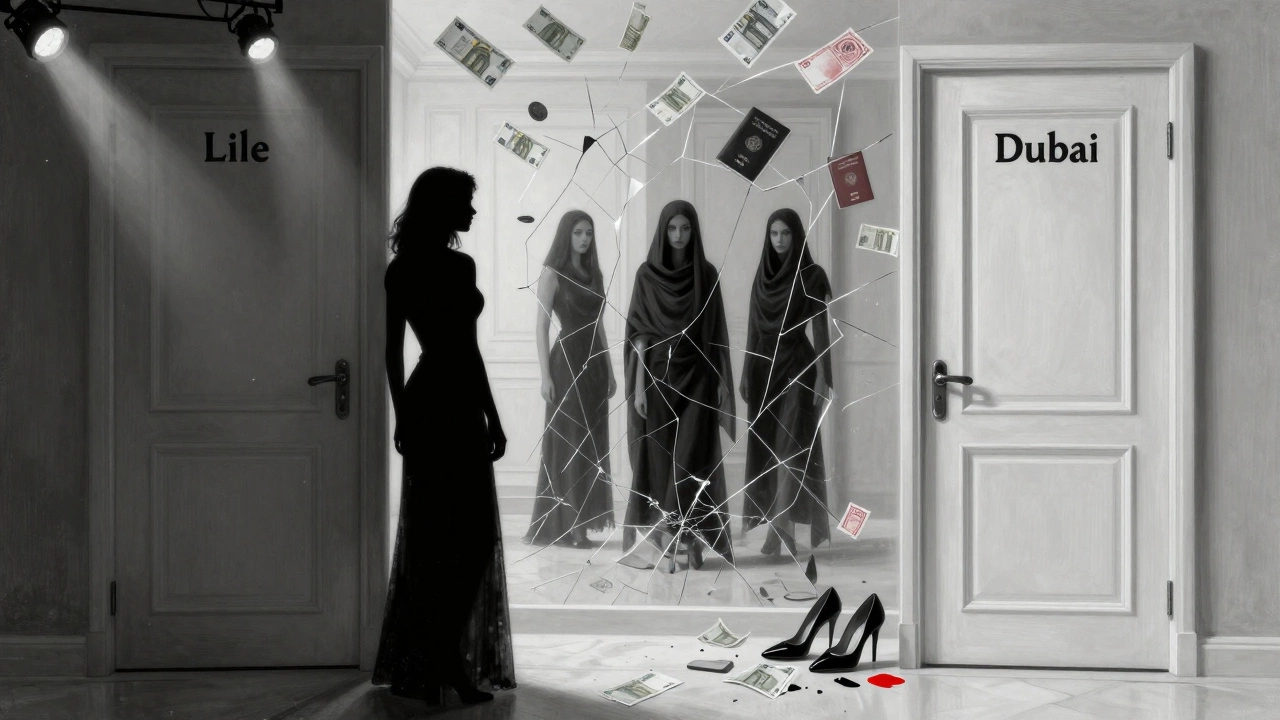
It sounds like a different world, but it’s not. Women from Lille have ended up in Dubai-not because they wanted to be part of a luxury fantasy, but because the numbers added up. A single night as a mistress dubai can earn what takes two weeks in Lille. The apartments are cleaner. The clients are wealthier. The risks? Higher. The legal consequences? Severe. Dubai doesn’t just ban prostitution-it jails people for it. But the demand doesn’t disappear. It just goes deeper underground.
Some women who’ve worked in both places say the difference isn’t in the money. It’s in the silence. In Lille, you might run into someone you know. In Dubai, you’re invisible. No one asks your name. No one remembers your face. You’re a service, not a person. One woman I spoke to, who now lives in Berlin, said: ‘In Lille, I was scared. In Dubai, I was erased.’
Who Are the Clients?
Most assume the men here are wealthy, older, or creepy. The truth? They’re ordinary. A teacher from Roubaix. A mechanic from Valenciennes. A French expat working in logistics. One man, who came every Friday for six months, brought cookies for the staff. He never asked for more than a conversation. He just said he liked hearing stories from people who’d seen the world.
Not all clients are kind. But not all are monsters either. The line between exploitation and mutual exchange is blurry. Some women choose who they see. Some set boundaries. Others don’t have a choice. The system doesn’t care which.
What Happens When They Leave?
Some women leave after a year. Others stay for five. A few never leave. The ones who do? They rarely talk about it. They change their names. Move cities. Start over. A few go back to school. One opened a small bakery in Toulouse. She still wears red lipstick. She says it’s her armor.
There’s no support system waiting for them. No retraining programs. No housing assistance. The government doesn’t fund exit strategies. NGOs try, but they’re underfunded and overstretched. If you want to leave, you’re on your own.
The Euro Escort Dubai Myth
There’s a myth that women from Europe who work in Dubai are ‘elite’-that they’re chosen, curated, glamorous. That’s not true. The term euro escort dubai is a marketing label. It’s used to sell an image: white skin, blue eyes, expensive clothes. But the women behind it? Many come from the same places as those in Lille: poverty, broken families, debt. They’re not chosen for their beauty. They’re chosen because they’re desperate.
The agencies that send them there don’t care about their dreams. They care about the price per hour. And the clients? They don’t want to know the truth. They want the fantasy. That’s the real business.
There’s No Hero Here
This isn’t a story about rescue. There’s no knight in shining armor. No nonprofit that can fix this overnight. The women in Lille aren’t waiting to be saved. They’re waiting for someone to see them-not as a performance, not as a commodity, but as people trying to get through the night.
They don’t need pity. They need safety. Fair pay. Legal protection. The right to walk away without losing everything.
And maybe, just maybe, someone to ask: ‘How are you really doing?’